It’s a simple recipe for climate disaster.
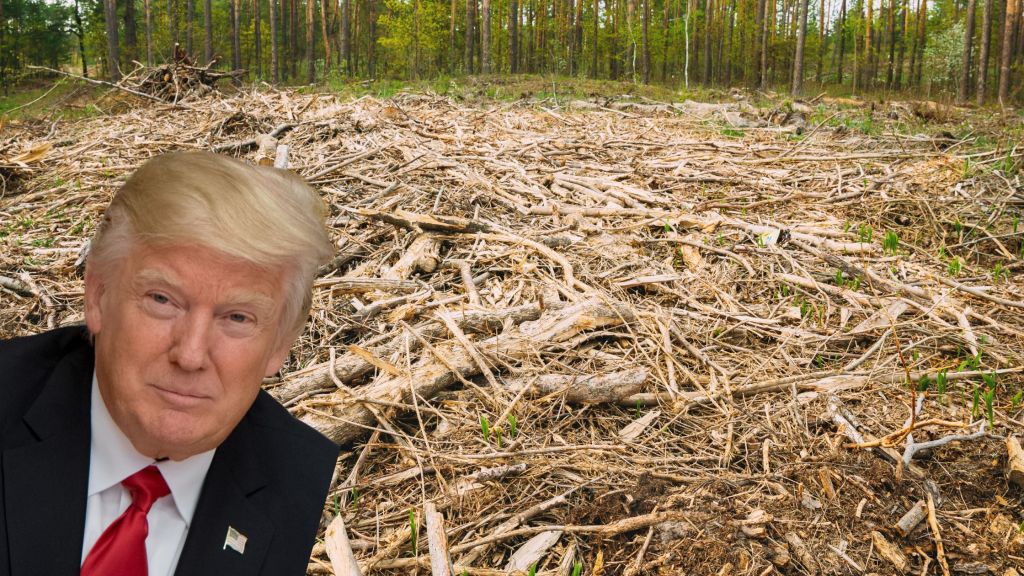
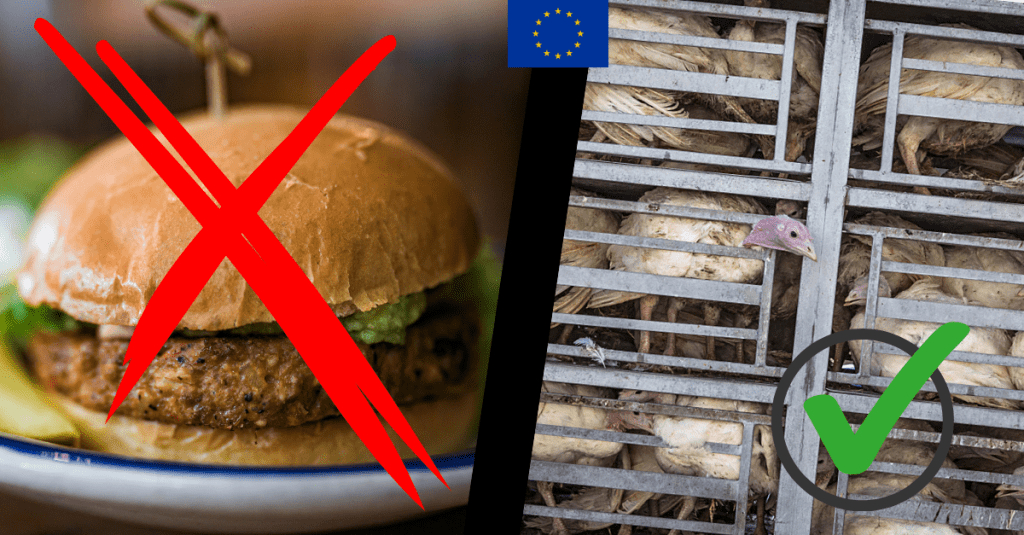
First, remove trees. Meeting the world’s insatiable appetite for meat and dairy requires an astronomical amount of space. Close to half of the world’s habitable land is used for agriculture. And more than three-quarters of total agricultural land is used for raising animals and growing their crop feeds.
Then remove the truth. Having already retreated from the Paris Agreement for a second time, the Trump administration continues to cover its eyes to the scale and severity of the climate crisis. And, earlier this week, it tried to gaslight a whole nation: the US Department of Agriculture has doubled down on denial by removing pages related to climate change from its official website.
The barren landscape – both physical and digital – is a reminder of the precariousness of truth.
Powerful industry interests have long stymied efforts to reduce agriculture’s environmental impact. As a report last year by Changing Markets explained, Animal Ag has “managed to convince policymakers to adopt all-carrots-and-no-sticks approaches to regulating agricultural emissions”.
The Trump administration’s embrace of climate denial makes an unprecedented crisis ever more perilous.
Of methane emissions and Elon Musk
Animal agriculture is the largest source of man-made methane emissions.
Corporate interests would seem to play a role in Trump’s decision to ignore the climate crisis and animal agriculture’s role in causing it. His campaign received almost $25 million from agribusiness in the run-up to the 2024 election. Amid the Covid-19 pandemic in 2020, he passed an executive order to label meat processing plants as “critical infrastructure”.
The Donald is not even the worst climate culprit in his cabal. Elon Musk, the new administration’s head of government efficiency, has claimed that animals “don’t make a difference to global warming”.
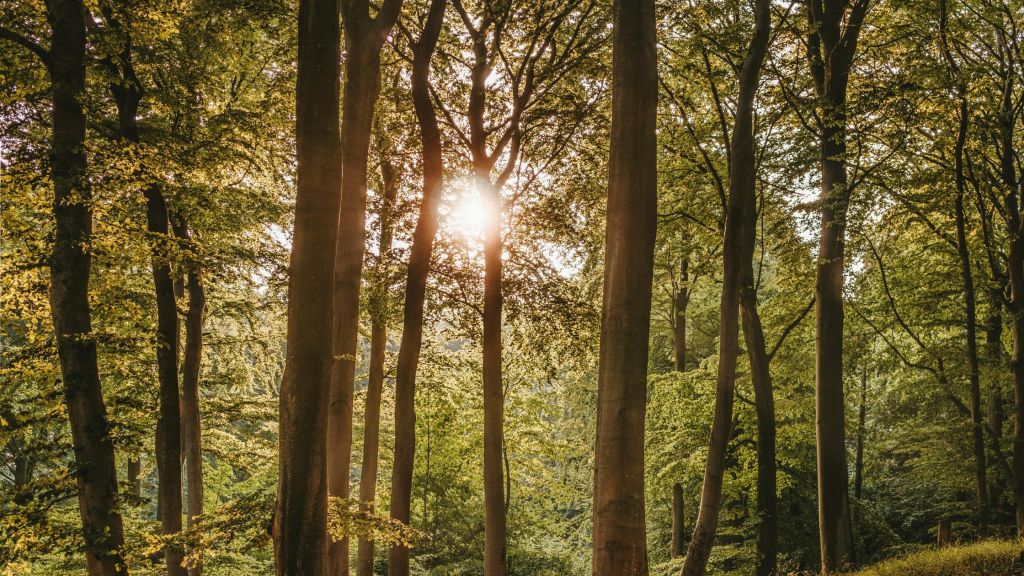
Returning farmland to forest
Another glimpse of the difficulty involved in fighting agricultural emissions was on display in the UK last week.
To much fanfare, the government launched “a national conversation about land use” to guide the direction of its forthcoming Land Use Framework, which has already faced two years of delays.
Simultaneously, a report from the Department for Environment, Food and Rural Affairs (Defra) showed that a fifth of the UK’s agricultural land will need to change if the government is to stand a chance of meeting its net zero and nature targets.
At present, some 70% of England’s land is used for farming, of which the vast majority is dedicated to animal agriculture. Without a major shift towards a plant-based food system, there will not be enough land to reforest.
Expert opinion is clear. “There’s no way that we can satisfy all the requirements that we need from our land without reducing our meat production,” says Henry Dimbleby, author of the National Food Strategy that paved the way for this consultation.
Cutting through the culture wars
If only it were so simple. Just as the US backtracks on its environmental obligations, climate change remains deeply politicised in the UK too.
Opposition politicians seem content to stoke culture wars at the expense of taking action to limit greenhouse gas emissions. On a visit to a farm in Cheshire, Conservative leader Kemi Badenoch closed her eyes to the data. Instead, with Trumpian flair, she told the press that the government’s plans for net zero are “killing farmers in our country”. ★

 veganpoetry.com
Leave a comment