Pressure is growing on the Royal Society for the Prevention of Cruelty to Animals (RSPCA) to drop its failing Assured scheme and instead throw its weight behind a plant-based future.
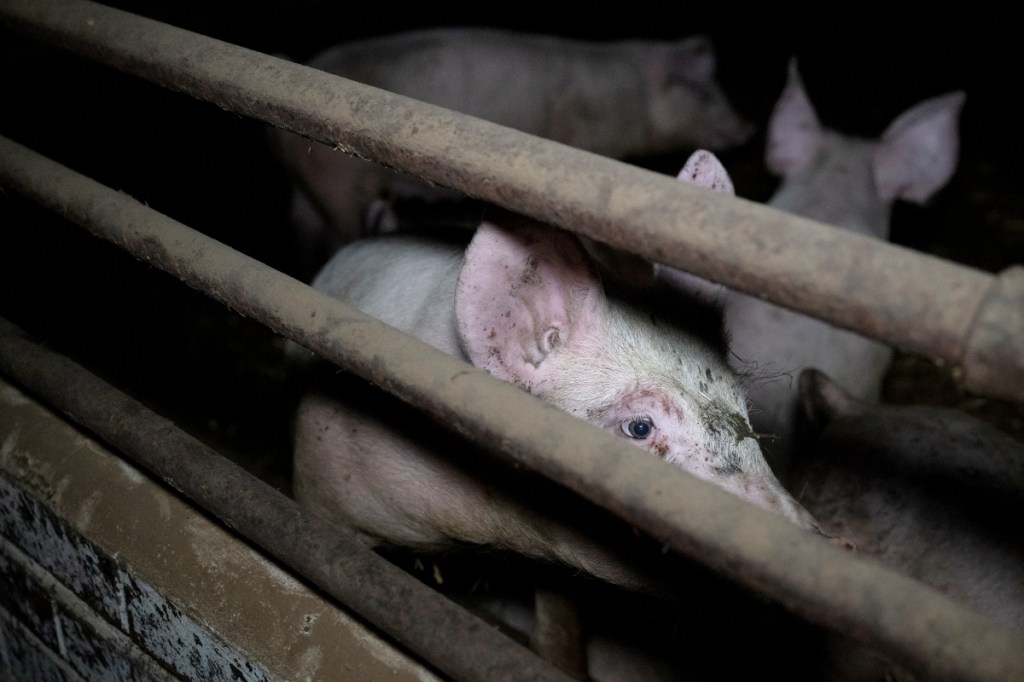
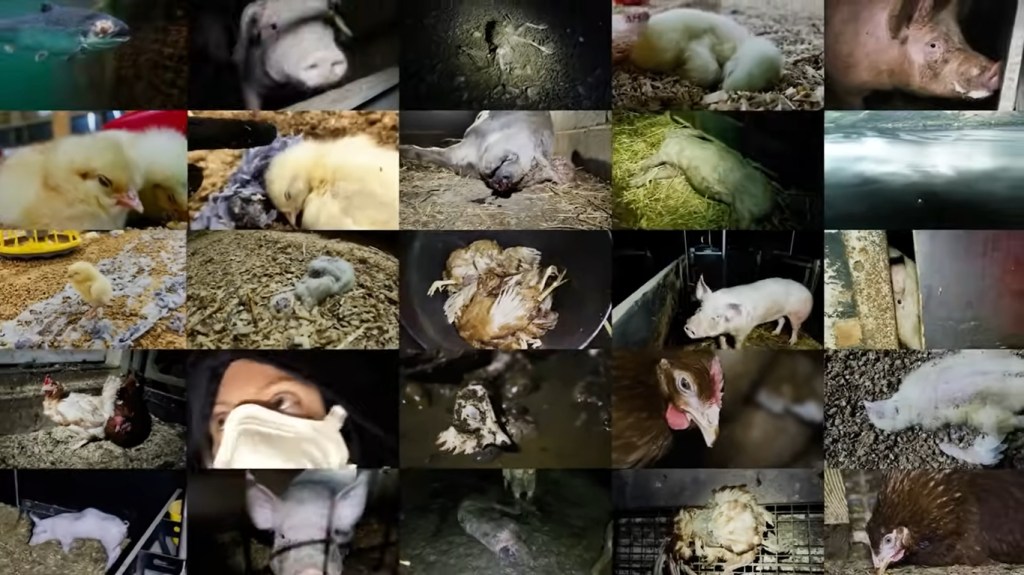
High-profile investigations by Animal Rising and Animal Justice Project (AJP) have revealed the abysmal cruelty that is routine on supposedly high-welfare farms.
In response to amplifying calls for the RSPCA to act, outgoing Chief Executive Chris Sherwood has issued a 1,200-word letter in which he argues that dropping the Assured scheme would be “to abandon farmed animals”.
Instead, he urges “all those who care deeply about animals like we do to work together with us to bring about change”.
Lasting change for farmed animals
In the letter, Sherwood seems to acknowledge the inevitable cruelty involved in breeding, raising and slaughtering animals:
“We know that the only way to make real and lasting change for farmed animals is to drastically reduce the number of animals farmed and the amount of animal products we eat.”
Despite this assertion, he argues against rights-based campaigning because, in his view, it ignores the suffering of animals alive today. To make this point, he repeats classic welfarist thinking that abolitionism is too idealistic to be effective. With proper animal protection “so far away” from being a reality, Sherwood instead encourages animal advocates to focus on incremental change:
“Our role is to put [animal welfare] back on the agenda and inspire everyone to work together to improve farmed animals’ lives.”
In its 200th year, the RSPCA is facing an existential choice. Abysmal failings at the organisation’s approved “higher-welfare” farms have confirmed that the current approach is not doing justice to any farmed animals. Will the RSPCA step up and stop promoting the myth of humane meat, fish, eggs and dairy?
Animal rights advocates are improving animals’ lives
To make the case for supporting the RSPCA Assured scheme, Sherwood tries to revivify the age-old “welfare v rights” debate. This framing is lazy and disingenuous. Animal rights advocates care overwhelmingly about the suffering of animals alive today. They are also proactively working to minimise this cruelty.
For proof, head to the campaigns and investigations section of the People for the Ethical Treatment of Animals (PETA). The global organisation is “dedicated to establishing and protecting the rights of all animals”. Precisely because of that overarching goal, PETA exposes welfare failings on farms around the world. Likewise, AJP’s investigations bring to light appalling welfare conditions on UK farms to educate consumers and call out the worst offenders.
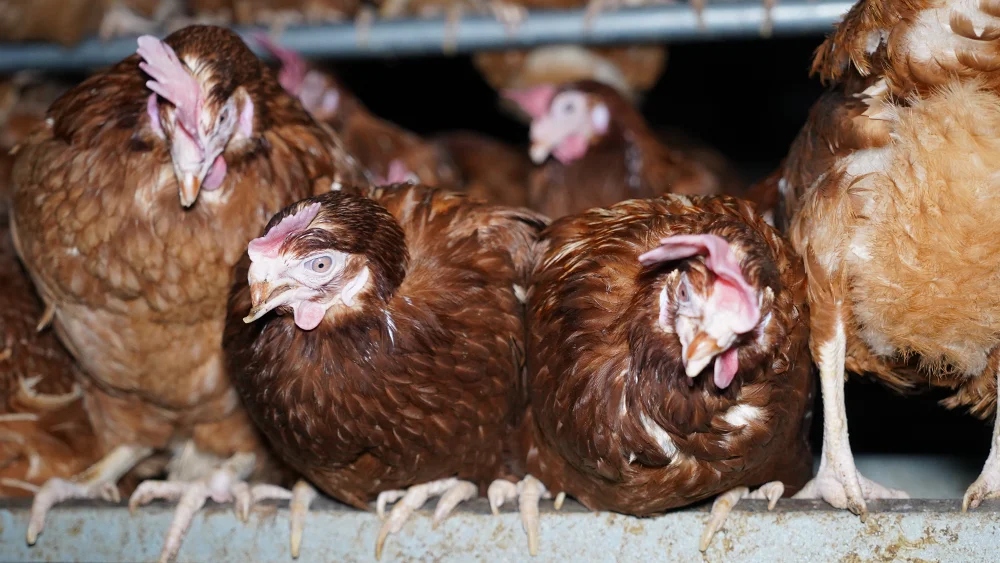
It is offensive for Sherwood to insinuate that proponents of rights are the ones who are failing animals alive today. It is not animal rights activists who leave pigs to die convulsing in pools of excrement. It is not animal rights activists who pack hens so tightly together that they suffer chronic stress from an inability to exercise natural behaviours. It is not animal rights activists who give a seal of “high-welfare” approval to salmon infested with lice.
Those welfare failings, along with hundreds of other equally appalling cases of pain and suffering, all happen at RSPCA Assured farms. It was, of course, animal rights activists (from Animal Rising) who exposed the suffering.

Promote meat or protect animals?
A central point in Sherwood’s argument is that RSPCA Assured, even if it raises standards only a little, is worth compromising on because:
“If we stepped back from this now, we let the rest of the industry off the hook and it risks a race to the bottom for farmed animal welfare”
That race to the bottom is reality, not risk. In recent years, we have seen the rise of mega farms. Meat consumption is falling in the UK, but nowhere near fast enough. Rather than using its platform to support the push to end animal agriculture, the RSPCA is pumping out adverts actively promoting meat consumption.
Sherwood’s argument might make sense if the RSPCA really did live by its “eat less, eat better” mantra. But it doesn’t. It produces ads like this one encouraging people to put chicken and pork on their BBQ. The messaging isn’t: “Why not try a plant-based BBQ? And if you absolutely must have meat, avoid these brands because they engage in the cruellest welfare practices.” Instead, the message is: “Have a meaty BBQ and feel good about it because it’s got our sticker on!”
To continue Sherwood’s grimly fishy metaphor, the meat industry is not on the RSPCA’s hook; the RSPCA has been caught hook, line and sinker by animal ag.
Unsurprisngly, he points to the status quo as justification for… sticking to the status quo. You don’t need to tell animal rights advocates that “[t]he reality we are grappling with is that 94% of people currently choose to eat meat and so there are billions of animals being farmed right now”. But imagine if the RSPCA spent its advertising budget encouraging these consumers to try a plant-based Christmas instead of advocating for more of the same.
An animal protection charity should never promote meat, fish, eggs or dairy
One of the most frustrating parts of Sherwood’s doubling down on RSPCA Assured is that promoting the transition to a plant-based future could be so simple.
Look at this RSPCA Assured advert from Pancake Day 2022:
This ad combines the two key failures in the RSPCA Assured scheme’s messaging:
- Deceptive images that mislead consumers about the reality of life for “higher-welfare” hens. Compare that ad with the true picture here.
- A call to action that literally encourages people to eat more eggs. In what possible way is driving higher demand helping animals currently suffering on farms?
It would be so simple to tweak the advert’s takeaway message to:
This Pancake Day, make a more compassionate choice. Make your pancakes vegan.
This could then be followed by suggestions for how to make yummy plant-based pancakes. There are hundreds of recipes and guides online that the RSPCA could point consumers to.
But no, the RSPCA just wants to sell more eggs. The messaging in this social media post from 2024 is arguably even worse. “Whichever pancake you choose, be sure to use RSPCA Assured eggs…” is frighteningly dismissive of the kindest option: not using eggs at all!
United we stand
In his letter, Sherwood calls for unity in the animal protection community.
Having endured months of negative publicity and a growing number of supporters and members calling out the RSPCA’s backing of the Assured scheme, a true message of unity would be an unequivocal statement that an animal protection charity should never promote animal products. Full stop. After embracing that truth, the RSPCA could then explain its reasons for continuing some form of welfare programme in the transition period.
The key here is that any genuine engagement against animal exploitation should not be accompanied by the promotion of animal exploitation. Unity comes from all pulling towards the same goal; currently, the RSPCA is pulling in all directions, simultaneously doing great work to promote a better relationship with some animals, while also promoting meat, fish, eggs and dairy products.
Sherwood counters that:
“Setting ourselves against each other means there are no winners – particularly not the animals that we all care so deeply about.”
This is misjudged. Animal rights organisations are not “against the RSPCA”; they are “against animal exploitation”. Currently, by operating a scheme that endorses animal exploitation, the RSPCA is not against animal exploitation. Hence, why people who “care so deeply about [animals]” are calling for the RSPCA to stop promoting animal abuse.
Indeed, without the investigations carried out by passionate animal rights organisations, the public would not know about the routine abuses on RSPCA Assured farms. The RSPCA would still be merrily promoting meat consumption. And the animals would still be suffering.
Rather than calling for animal defenders to unite around the cruel status quo, the RSPCA should re-think its own approach to farmed animals. Committing to phasing out the Assured scheme and moving towards the promotion of a fully plant-based food system offers a way to make the move more gradual. Rather than digging in its heels, the RSPCA should clear up the confusion and take a bold step away from animal agriculture if it really wants lasting change for animals. ★
Cover photo credit: Animal Rising


 veganpoetry.com
Leave a comment