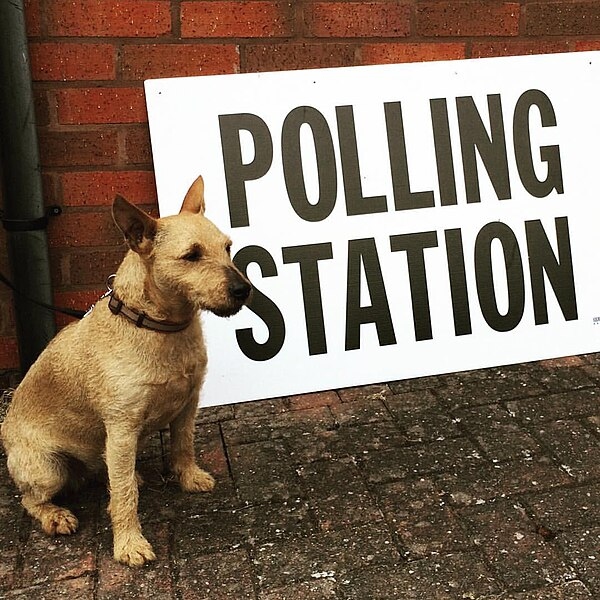
Voting with animals creates a buzz on election day.
Photos of poodles, dachshunds, labradors and whippets abound under the hashtag #DogsAtPollingStations.
But for all the physical presence of non-human animals outside voting stations, how many voters have animals’ interests in mind when they cast their ballot?
Here is a run-down of parties’ pledges on animals ahead of the UK General Election on Thursday 4 July.
Vote for animals
In general, voters in the UK want to see more animal protection.
A survey from 2022 revealed that more than seven in 10 voters are in favour of stricter animal welfare laws.
More recently, a separate poll found that two-thirds of the British public think a political party that announced “plans to pass more laws designed to improve animal welfare and protect animals from cruelty” would have the right priorities.
To provide clarity on candidates’ positions, Animal Aid sent ten ‘Crackdown on Cruelty Pledges’ to candidates standing for election around the UK.
Pledges include a roadmap to end all experiments on animals, stronger laws to stop puppy smuggling and the appointment of an animal protection commissioner.
For farmed animals, there is a pledge to use subsidies to support farmers in transitioning away from factory farming, as well as a commitment to increased legal protections for farmed fish.
Green is the colour
The responses paint a clear picture: the Greens are the only major party whose candidates committed en masse to the pledges.
Siân Berry, who is standing for the Greens in Brighton Pavilion, signed all ten commitments. She commented: “I am completely committed to being an MP who will speak up in Parliament for animals if I am elected on July 4th,” adding that she is “really proud that the Green manifesto has a chapter dedicated to animal protection, unlike any of the bigger parties.”
Similarly, in Bristol Central, the Green Party’s Carla Denyer is the only candidate to have committed to all ten pledges.
As well as the Greens, the Animal Welfare Party (AWP) is firmly on the side of animals. The party is standing four candidates in the 2024 General Election.
Vanessa Hudson, the AWP’s leader and a candidate in Bethnal Green and Stepney, said that she was “very happy to agree to all the above pledges to help create a fairer, healthier and more sustainable future for animals, the planet and people.”
You can check which of your local candidates have signed the pledges here.
Animals on the campaign trail

As the election approaches, animal rights and welfare have found a place, albeit a limited one, on the campaign trail.
Compassion in World Farming, a welfare organisation, hosted a hustings for four parties. Among the commitments made, Tim Farron, representing the Liberal Democrats, pledged to end the cage age for hens. Labour’s Ruth Jones said that, in power, her party would “build on our legacy and make animal protection a priority.”
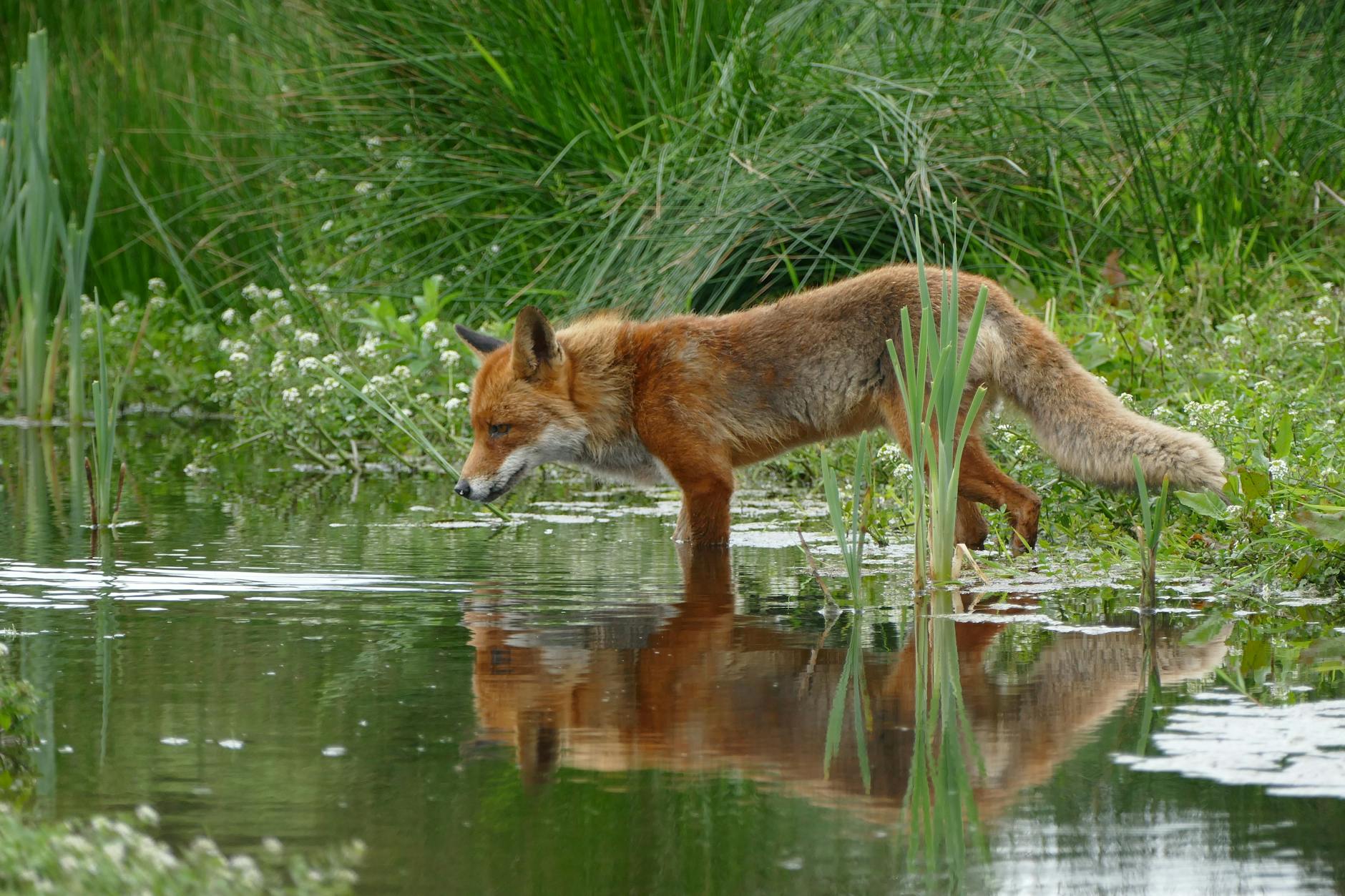
Animal charity the League Against Cruel Sports has called this “the most important election for animals in a generation.” The Labour Party, widely expected to win a majority, has pledged to eliminate fox hunting “within its first term” in power.
“For the first time since the Hunting Act 2004 was introduced, we are in the best position to secure promises from politicians that they will do what we ask and strengthen hunting laws, as well as commit to further animal welfare protections,” the League notes.
Which party is a vote for animals?
Protect the Wild, a wildlife organisation previously called Keep the Ban, does not say which party to vote for. But in a post titled ‘Will our vote make a difference for wildlife?’, it reviews each party’s commitments.
The conclusion is clear: “the Green Party’s pledges are the strongest, while Labour has made some crucial promises”. Most importantly, the post adds, “in order to protect animals, we need to get the Tories out”.
A handy tool from Animal Aid allows voters to compare each parties’ manifesto commitments for animals.
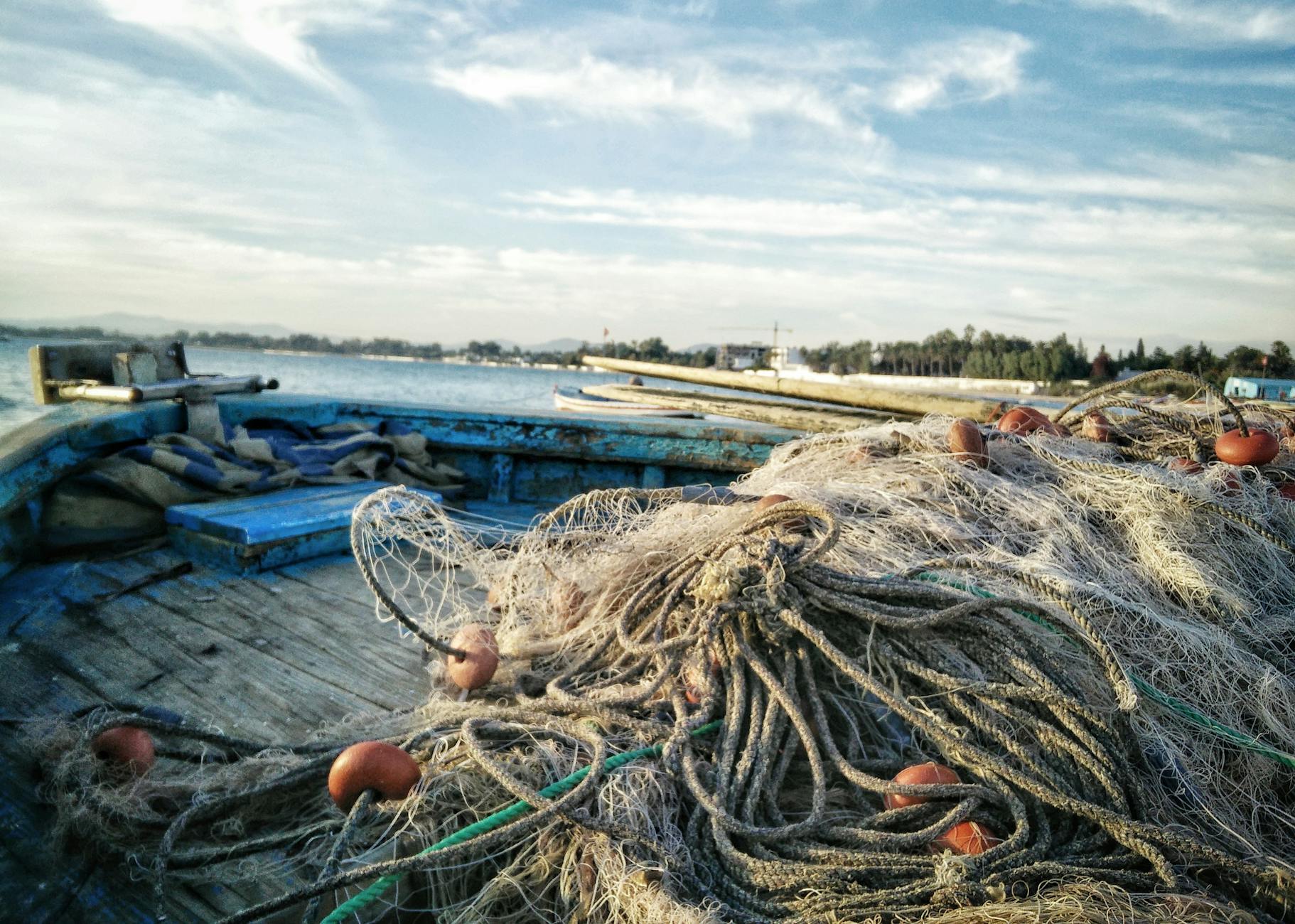
The Greens have a long list of pledges, including “an end to the use of horses and greyhounds in racing” and a “ban on destructive fishing practices such as bottom trawling.”
The AWP’s policy commitments include “prioritising the climate and biodiversity in all decision-making” and “ending all animal testing.”
Labour’s proposals are more limited but do include a commitment to “work with farmers and scientists on measures to eradicate Bovine TB, protecting livelihoods, so that we can end the ineffective badger cull.”
The Lib Dems pledge to ban foie gras. Plaid Cymru emphasises a need to “tackle dog attacks on livestock.”
The Conservatives seek to “preserve and enhance the rural way of life,” which includes a pledge to “make no changes to the Hunting Act.”
There is no mention of animal protection in the manifesto of the Scottish National Party (SNP).

Vote for those who have no vote
In 2024, UK voters have the responsibility of voting for the future direction of the country. They also have the responsibility of voting on behalf of those who do not have the right to choose but who will nevertheless be impacted by the outcome. The choice should not be taken lightly. ★
Feature image credit: Andrew Davidson


 veganpoetry.com

Leave a comment