What is your spirit animal? If your favourite element is air, you reflect for a long time before you act and you require a lot of time alone to recharge, you might be an owl, according to one online spirit animal tester. If you follow your instincts and feel a strong sense of community, you’re more likely a wolf.
Defining their true animal self is one of the more obvious ways that humans pin their lives to (their perceptions of) non-human animals. Another way is culture. From Bambi to the Easter Bunny, opinions of different species are shaped by factors that go far beyond the real qualities of its individual members. Stereotypes perpetuated by language (are you a nasty cow or as strong as an ox?) add further biases into the mix.
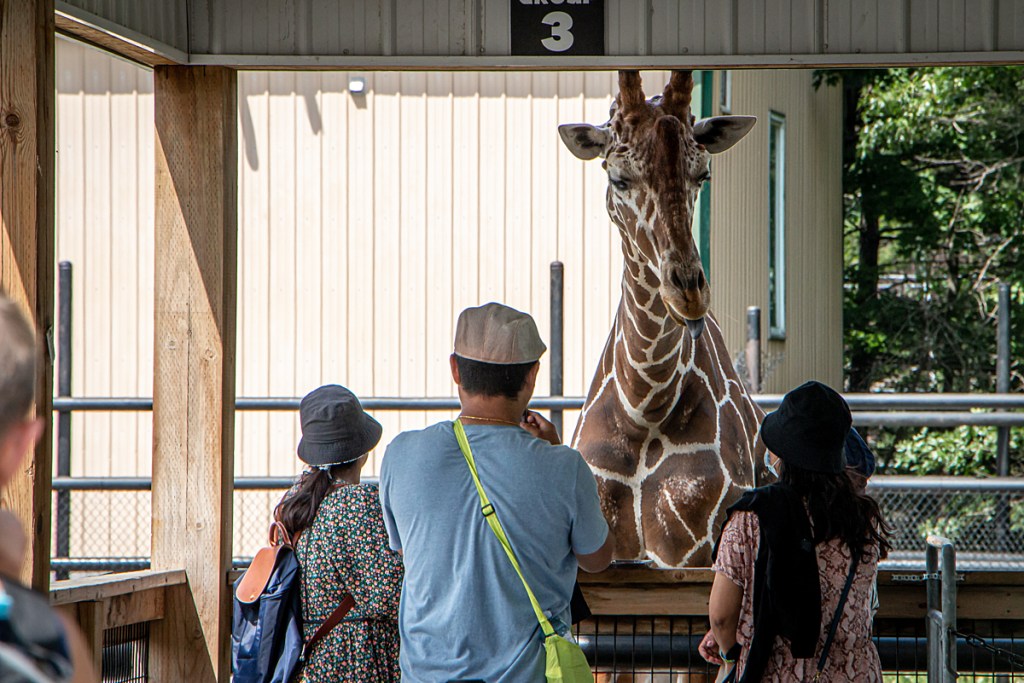
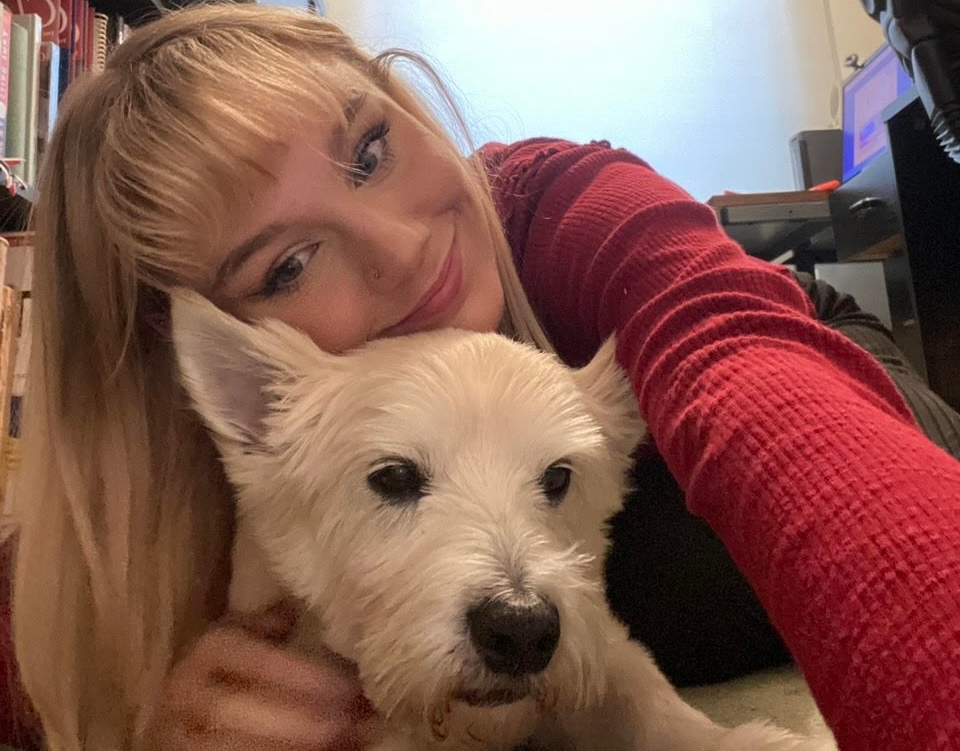
As most “pet owners” will proudly attest, humans can have profound relationships with non-human animals. Indeed, that humans are obsessed with animals has never been in doubt. From sports franchises to car brand logos, capitalism has co-opted animals (real or represented) as mascots, totems and, most significantly, products.
Kill your starlings
The abundance of “animals” in popular culture could be thought to boost humankind’s feeling of connectedness with our fellow living creatures. Unfortunately not.
The explosion of animals in capitalist culture has come accompanied by a devastating loss in biodiversity. A ‘State of Nature’ report in 2023 by the UK’s Wildlife Trusts found that one in six species is at risk of being lost from Great Britain. For all their cultural heft, real non-human animals are conspicuously absent from the lives of most urban dwellers.
The secret to this great vanishing act is meat. Eating other animals has catastrophic environmental impacts from species extinction to water pollution.
The sad reality of humanity’s destructive actions is that the main way that many people now interact meaningfully with animals is when they consume their bodies or secretions.
Where are the real animals?
In the age of factory farming, animals raised for meat make up two-thirds of the world’s mammal biomass. How connected does humanity feel to the billions of sentient beings slaughtered for food each year?
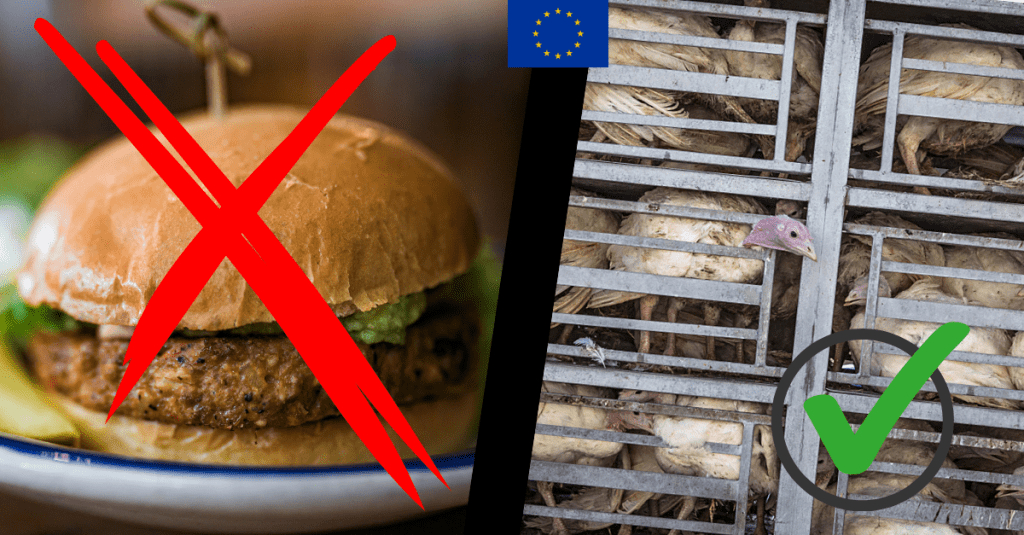
A key tactic of the meat industry has for years been deception. Through murky marketing and political influence, Big Meat has kept consumers hooked on foods that are disastrous for the planet and human health.
And the animals? Hidden away in mega-farms, never to see the light of day.
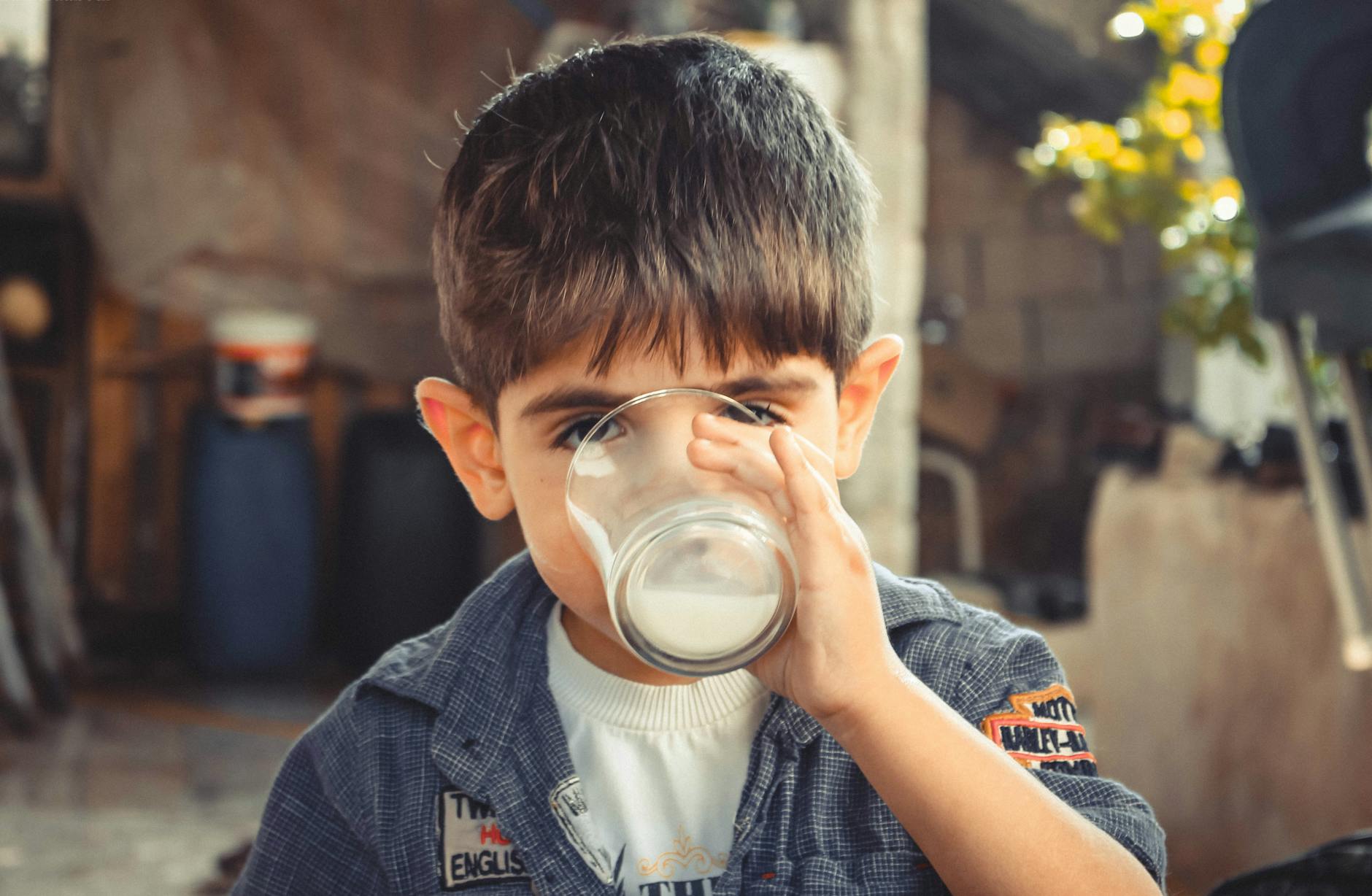
Countless investigations have illuminated the horrifying daily abuses endured by cows at typical “high-welfare” UK dairy farms. Yet, despite a significant uptick in sales of plant-based milks, cows’ milk remains depressingly widespread.
Don’t think about it
A common technique used by meat eaters to avoid thinking about who they are eating is disassociating the live animal from the dead one on their plate. Unsurprisingly, a recent study by the UK’s Agriculture and Horticulture Development Board (AHDB), found that consumers prefer not to see images of the animal they are eating on product labels.
In a recent paper, psychologists at the Universities of Bath, Zurich, Groningen, Lisbon and California undertook research into whether societal norms around animal consumption influenced how “connected” humans feel to different species.
Specifically, they were looking at whether living in a country where consumption of a particular species is the norm results in a lower level of connectedness with that species. Such a finding would support ideas around disassociation of animal and “meat”.

Meat and morality
The results were mixed. The researchers found that “goat-eating and non-goat-eating countries did not differ in their feelings of personal connection to goats”. The conclusion was similar for pigs, though a difference was noted for cows (in the study, India was the only non-cow-eating country).
They suggested one reason for this finding could be that “for meat products that are embedded in a given culture, familiarity with the product renders meat-animal reminders and associations morally less problematic”.
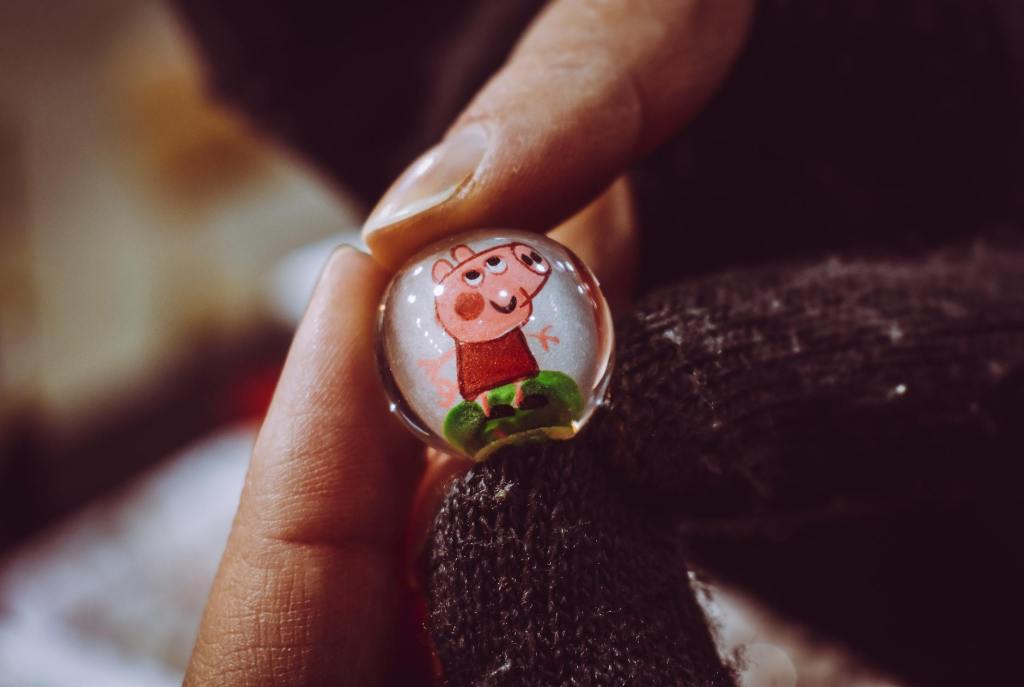
This is almost certainly true. How else could toddlers chomp ham sandwiches while watching Peppa Pig?
Evil really is banal. Familiarity with animal products, packaged in joyful colours and lies or exaggerations about health benefits, exceeds familiarity with the animal themselves.
Remembering the individuals
In the UK, 10 million pigs were slaughtered for human consumption in 2023. Such a number is difficult to comprehend. Thinking about each of those sentient beings as an individual helps us connect our “food” with the moral outrage that meat production entails. If, despite all the information about animals’ capacity to suffer and the nutritional advantages of plant-based diets, you choose to ignore this connection and selectively associate with a cartoon pig on the TV but not the living, breathing, dying pigs on farms and in slaughterhouses, then perhaps your spirit animal is a human.

 veganpoetry.com
Leave a comment